Argentina is one of the few countries, alongside Brazil and Italy, that apply taxes on total income. This was explained by the Argentine Industrial Union (UIA). The union also emphasized the tax burden on companies from municipal taxes: industrial firms pay an average of 7.4 municipal taxes. Some mayors "charge a company in their district or municipality taxes based on its billing to provide security, hygiene, or environmental services," the statement said. The provinces with the highest number of municipal taxes are Buenos Aires, La Pampa, Jujuy, Entre Ríos, and Misiones. 35% generate double taxation, mainly with Gross Income Taxes, meaning companies pay several taxes on the same taxable base. Of the 30 countries analyzed (OECD and others), this only happens in Argentina and Italy.
The "Security and Hygiene Fee", the main weapon of municipalities and legislative councils, is one of the ten taxes that raises the most revenue, along with the "Gross Income Taxes" of the provinces, whose effect on final prices is much greater than the nominal rate, as it is charged on each link in the value chain, the "cascade effect" multiplies its incidence. "In Argentina, there are 155 different types of taxes; 85 municipal, 45 national, and 25 provincial. Ten explain 92% of the total," recalled the director of Iaraf, Nadin Algarañaz.
Despite the unquestionable municipal autonomy, tax powers are derived from the provinces to which they belong, which have the power to set limits on communal taxation, since autonomy does not imply independence. Thus, provincial organic laws generally allow the creation of municipal taxes. In many cases, this type of tax overlaps with the Gross Income Tax, collected by the provinces and shared with the municipalities.
However, they opted for the creation of fees that compensate for services that they do not provide, — the text concludes.
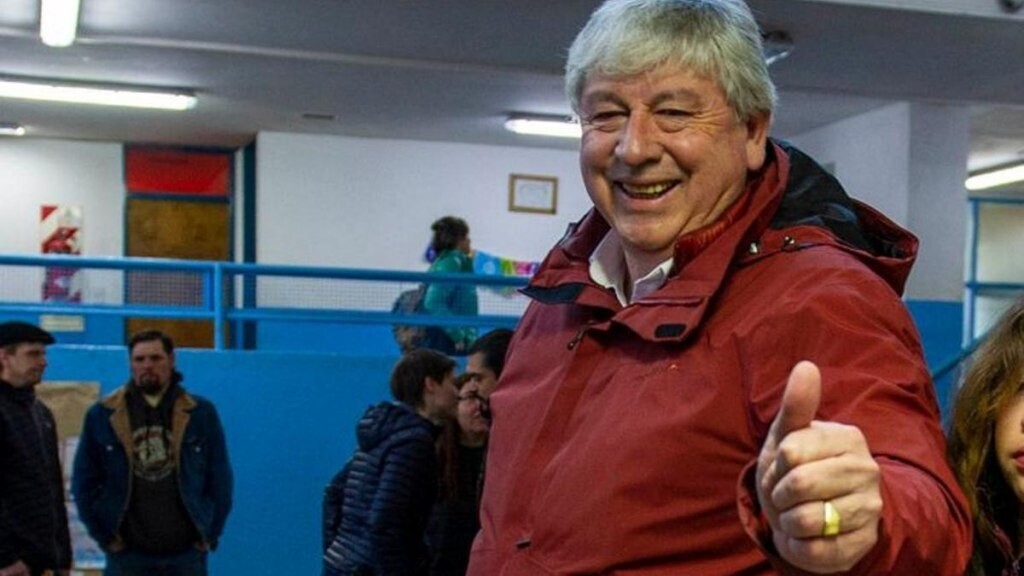
The mayor of San Carlos de Bariloche, Walter Cortes, was denounced by opposition councilor Julieta Wallace for abuse of function for increasing taxes and other fees. She recalled that on December 18, 2025, the Municipal Council had rejected by majority his project ordinance related to the updating of the fiscal and tariff ordinances respectively. According to Wallace, the mayor issued a resolution on December 29 of last year, "which is clearly illegal, arbitrary and confiscatory as it provides for an increase in the fiscal module without legal basis or justification; leaving the municipal state on the verge of a flood of administrative and judicial claims that will cause harm to the public treasury." She asked the president of the Control Court, Estanislao Cazaux, to give the complaint "urgent dispatch status and to make a decision without dilatory maneuvers": "to prevent the current or future liquidation of the respective municipal service fees, Tish and other taxes provided for in ordinances 2374-CM-12, with the illegal increase in the fiscal module dictated by the mayor in Resolution 3203-I-25".
The increases in municipal taxes that have been applied in several districts of the country have generated controversies at high political levels, such as the reply of the Minister of Economy Luis Caputo to the mayor of Pilar, when at the end of last year he decided to increase the tax pressure on supermarket cash registers, by applying the 2% Environmental Protection Tax that has been in effect since December 1 for large chains and affects the final price of products. The interpretation of tax experts is that the decision directly impacts the purchase ticket and leads to consumers in Pilar paying 2% more for products. Lawyer Matías Olivero Vila, who heads the NGO Lógica, conducted a study that shows Argentina has the highest municipal taxes in the world.